Choosing the best machinery for granite mining is not simply about selecting the most powerful…
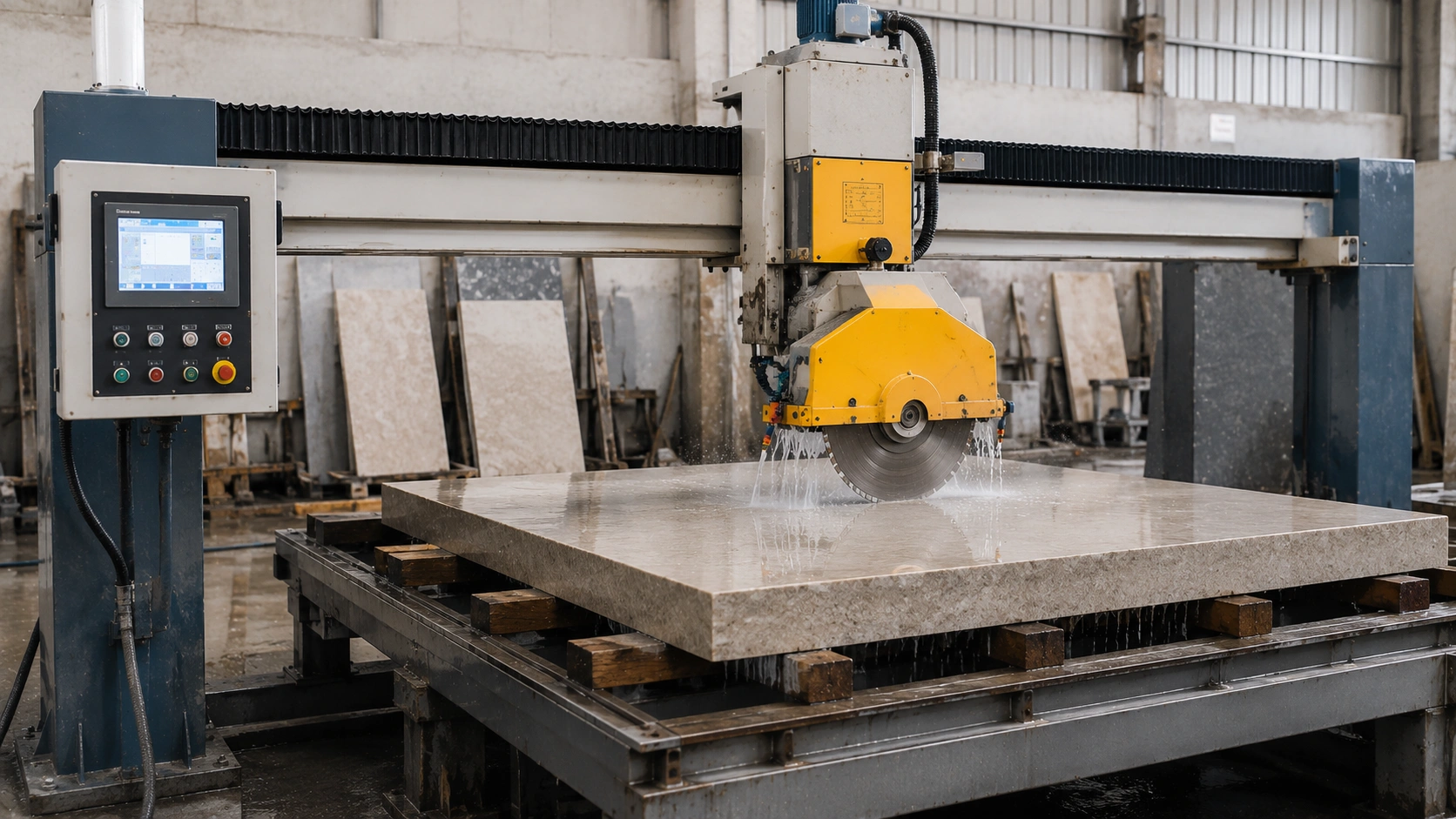
Top 10 Features to Look for in a Granite Cutting Machine
Choosing the right granite cutting machine is an important decision for stone manufacturers, fabricators, contractors, and processing units. Granite is strong, dense, and valuable, so the right cutting equipment should deliver accurate results while minimizing material waste, downtime, and operating costs. A machine may look impressive on paper, but the right choice depends on several practical factors, including cutting accuracy, machine capacity, automation, blade compatibility, cooling, safety, maintenance, and overall productivity. These factors can directly affect the quality and efficiency of your granite slab cutting process. Whether you are setting up a new stone-processing unit or upgrading an existing production line, these are the 10 key features to consider before investing in a granite cutting machine.
1. High Cutting Accuracy
Accuracy should be one of the first things you evaluate when selecting a granite cutting machine. Granite slabs are commonly used for countertops, flooring, staircases, wall cladding, monuments, and other applications where precise dimensions matter. Even a small cutting error can result in additional finishing work or material loss. Look for a machine that offers:-
- Precise dimensional control
- Stable cutting performance
- Consistent results across multiple slabs
- Reliable positioning systems
- Low vibration during operation
A machine with better accuracy can help reduce rework and improve the overall quality of finished granite products. For businesses handling precision stone fabrication, accurate cutting can also make downstream polishing, edge finishing, and installation easier.
Expert Tip :- Before purchasing, ask the supplier to demonstrate the machine using a granite thickness and slab size similar to what you process regularly. A practical test can give you a better understanding of cutting accuracy and stability than specifications alone.
2. Powerful Cutting Performance
Granite is harder than many commonly processed stones, so the machine must have sufficient cutting power for the required application. Motor capacity, spindle performance, blade quality, and machine construction all influence cutting performance. A properly matched system can maintain more consistent cutting when working with thick or dense granite. However, higher power alone does not automatically mean better performance. The motor, diamond blade, cooling system, and machine structure should work together efficiently. When comparing machines, consider the maximum granite thickness you normally process and choose equipment designed to handle that workload comfortably. For industrial stone cutting, the goal should be balanced performance rather than simply choosing the machine with the highest motor rating.
3. Suitable Blade Compatibility
The cutting blade has a major impact on the quality and speed of granite processing. Diamond blades are widely used for hard stone applications because they are designed for demanding cutting conditions. Before purchasing a machine, check which blade sizes, types, and specifications it supports. Important considerations include:-
- Maximum blade diameter
- Blade mounting system
- Compatible diamond blades
- Cutting speed
- Blade replacement process
- Recommended blade specifications
Good blade compatibility gives operators more flexibility when working with different granite varieties and thicknesses. It is also worth considering how easily blades can be replaced and whether suitable replacement blades are readily available.
4. Strong and Stable Machine Construction
A granite cutting machine needs a rigid structure because cutting hard stone creates mechanical forces and vibration. A well-built machine can provide better stability during operation and help maintain cutting accuracy over time.
Pay attention to:-
- Machine frame construction
- Gantry stability
- Guide rails
- Worktable strength
- Overall build quality
- Vibration control
For a busy stone-processing facility, durable construction can also contribute to longer machine service life and more consistent production. A stable machine platform is particularly important when precision and repeatability are priorities.
5. Effective Water Cooling System
Cutting granite generates considerable heat. An effective water-cooling system helps control blade temperature and supports smoother cutting.
Proper water flow can help:-
- Reduce blade overheating
- Support longer blade life
- Control cutting dust
- Maintain smoother operation
- Protect the cutting system
When evaluating a machine, don’t just check whether it has water cooling. Look at the water circulation arrangement, nozzle positioning, tank capacity, drainage, filtration, and ease of cleaning. For stone-processing equipment, an efficient cooling system can be an important part of maintaining reliable cutting performance.
6. CNC and Automation Features
Modern stone-processing businesses increasingly use CNC technology and automation to improve consistency and productivity. A CNC stone cutting machine can provide greater control over cutting dimensions, movement, and repeat jobs. Depending on the machine model, automated functions may include programmable cutting paths, digital positioning, automatic blade movement, and job repetition. Automation can be particularly useful when a business needs to produce multiple pieces with similar dimensions. For smaller workshops, a simpler machine may be sufficient. For high-volume production, appropriate automation can reduce manual work and improve production consistency. The key is to choose automation that matches your actual workflow rather than paying for features you may rarely use.
7. Large and Flexible Cutting Capacity
The size of the worktable and cutting range should match the granite slabs you regularly process. Before buying a machine, check:-
- Maximum cutting length
- Maximum cutting width
- Maximum material thickness
- Worktable dimensions
- Blade movement range
- Maximum slab weight
A machine with insufficient capacity can limit production, while an unnecessarily large machine may increase your investment and operating costs. The best approach is to select equipment based on your current production requirements while leaving reasonable room for future growth. If your business handles different slab formats, flexible cutting capacity can be especially useful.
8. Easy Operation and User-Friendly Controls
A technically advanced machine is not very useful if operators struggle to use it. Look for controls that are straightforward and easy to understand. Digital displays, intuitive controls, programmable settings, and clear operating instructions can make daily production easier. A user-friendly machine can also reduce operator errors and shorten training time. If possible, ask the manufacturer for a demonstration before making a purchase. Seeing how the machine is set up, operated, adjusted, and cleaned can reveal practical details that specifications alone may not show. This is especially important when comparing different stone cutting machines, because ease of operation can affect daily productivity just as much as technical specifications.
9. Safety and Maintenance Features
Safety should never be treated as an optional feature when purchasing stone-cutting equipment. A good machine should include appropriate safety mechanisms such as emergency stops, protective components, stable workholding, and controls designed to reduce accidental operation. Maintenance is equally important. Check how easily operators can access:-
- Blades
- Bearings
- Guide systems
- Water lines
- Filters
- Electrical components
- Lubrication points
A machine that is easier to inspect and maintain can help reduce unnecessary downtime. Always follow the manufacturer’s operating, maintenance, and safety instructions rather than relying only on general practices.
10. After-Sales Service and Spare Parts Support
Even a high-quality granite cutting machine will eventually require maintenance, replacement parts, or technical assistance. This makes after-sales support an important part of the buying decision. Before purchasing, ask the supplier about:-
- Warranty coverage
- Installation support
- Operator training
- Spare-parts availability
- Technical assistance
- Maintenance support
- Response time for service requests
For businesses in India, reliable local or regional support can be especially valuable because long service delays can affect production schedules. Don’t compare machines only on their purchase price. Consider the total cost of ownership, including maintenance, consumables, downtime, energy use, and service support.
How to Choose the Right Granite Cutting Machine for Your Business
There is no single machine that is ideal for every stone-processing business. A small fabrication workshop may prioritize affordability, compact design, and ease of operation. A large manufacturing facility may need higher cutting capacity, automation, faster production, and advanced CNC controls. Before making a purchase, answer these questions:
- What type of granite do you process?
- What slab thicknesses do you normally cut?
- What are your average daily production requirements?
- Do you need straight cuts or more advanced cutting operations?
- How much automation does your workflow require?
- What worktable size will you need?
- Is water recycling or efficient cooling important for your facility?
- What spare parts and service support are available?
- What is the expected operating cost?
- Can the machine handle your future production requirements?
Answering these questions can make it much easier to compare different stone processing equipment objectively.
Expert Tip:- Test Before You Buy If a machine demonstration is available, don’t focus only on how quickly it cuts. Check the quality of the finished cut, machine vibration, water flow, operator controls, blade movement, setup time, and ease of cleaning. A short practical demonstration can help you understand whether the machine is genuinely suitable for your production environment.
Common Mistakes to Avoid When Buying a Granite Cutting Machine
Many buyers focus heavily on the initial machine price and overlook other important factors. Here are some common mistakes to avoid:-
Choosing Only Based on Price :- The cheapest machine may not always provide the lowest long-term cost. Poor accuracy, frequent maintenance, or limited production capacity can increase expenses over time.
Ignoring Machine Capacity:- Buying a machine that cannot comfortably handle your regular slab sizes can create production limitations.
Overlooking After-Sales Support:- Technical support and spare parts can become extremely important once the machine is running in a real production environment.
Selecting Too Much Automation:- Automation is useful when it solves a genuine production need. Smaller operations may not need every advanced feature available.
Forgetting Operating Costs:- Electricity, water, blades, maintenance, and downtime should all be considered when calculating the machine’s overall value.
Why Machine Quality Matters in Granite Processing
The quality of cutting equipment directly affects several parts of the stone-processing workflow. A reliable machine can help improve:-
- Cutting consistency
- Material utilization
- Production efficiency
- Finished product quality
- Operator productivity
- Maintenance planning
Better equipment does not eliminate every production challenge, but it can provide a more stable foundation for consistent stone processing. For manufacturers and fabricators, improving cutting consistency can also help create a smoother workflow from slab cutting through finishing and installation.
Final Thoughts
Selecting the right granite cutting machine requires more than comparing motor power or purchase prices. Accuracy, cutting capacity, blade compatibility, machine construction, water cooling, automation, safety, maintenance, and after-sales support all deserve attention. The right machine should match your actual production requirements, granite sizes, workflow, budget, and long-term business plans. Before making a final decision, compare specifications from multiple manufacturers, request a machine demonstration where possible, and evaluate the complete cost of ownership rather than focusing only on the initial investment. For stone-processing businesses in India and other growing manufacturing markets, choosing dependable cutting equipment can be an important step toward improving productivity, reducing material waste, and maintaining consistent finished quality.
Frequently Asked Questions
Cutting accuracy is one of the most important features because precise cuts can help reduce material waste, rework, and finishing requirements.
Yes, many machines can process different granite thicknesses, but the actual capacity depends on the machine’s specifications, blade size, cutting system, and material requirements.
CNC technology can be useful for businesses that require accurate, repeatable cuts and higher levels of production control, particularly in higher-volume stone-processing environments.
Water cooling helps control heat generated during cutting and can support smoother cutting and longer blade life while also helping manage cutting dust.
Compare cutting capacity, accuracy, machine construction, blade compatibility, cooling, automation, safety, maintenance requirements, operating costs, warranty, and after-sales support rather than looking at purchase price alone.

Related Posts
This Post Has 0 Comments