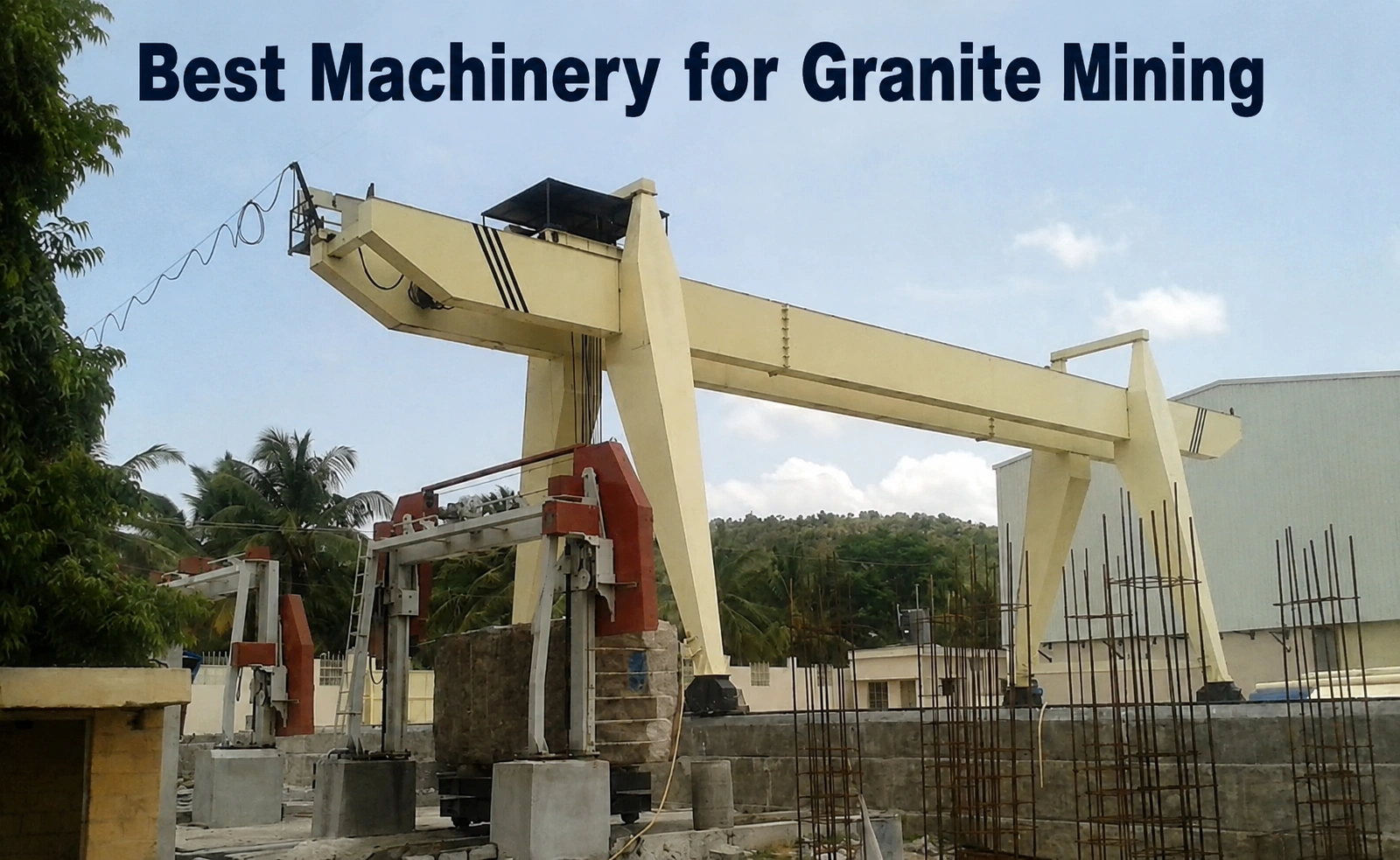
Choosing the best machinery for granite mining is not simply about selecting the most powerful…
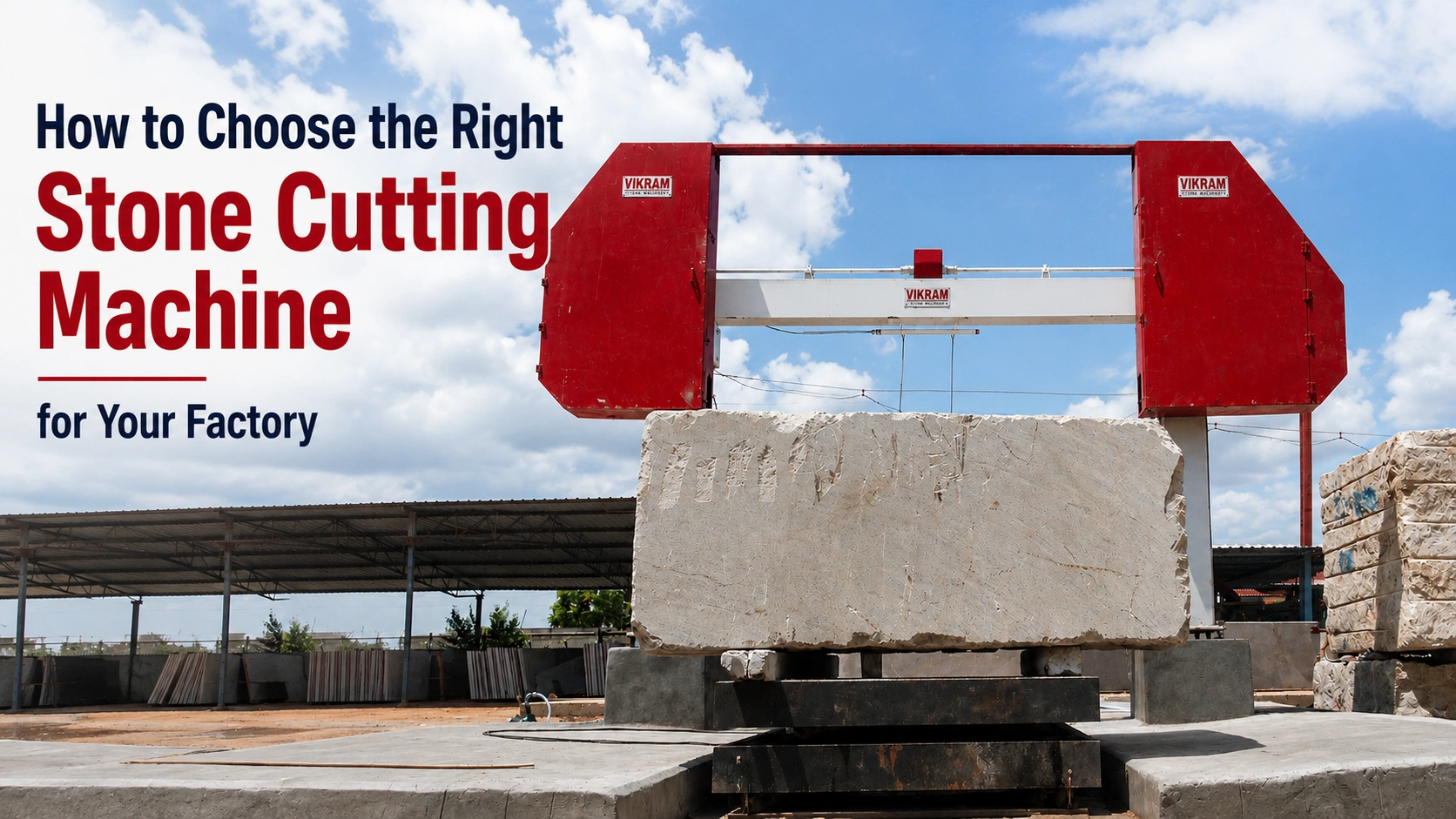
How to Choose the Right Stone Cutting Machine for Your Factory
Choosing the right stone cutting machine for your factory is an important decision that can directly affect production speed, cutting accuracy, material waste, product quality, and operating costs. With so many machines available, it can be difficult to decide which equipment is actually right for your business. The best machine is not necessarily the most expensive one. It is the machine that matches your stone materials, production volume, cutting requirements, workforce, budget, and future growth plans. Whether your factory processes granite, marble, quartz, limestone, sandstone, porcelain, or engineered stone, carefully evaluating the equipment before purchase can help you avoid unnecessary expenses and production problems.
Why the Right Stone Cutting Machine Matters
A stone cutting machine is a long-term investment for any stone processing factory. The wrong equipment can slow production, create inconsistent cuts, increase material waste, and lead to frequent maintenance or downtime. The right equipment can help your factory achieve:-
- Better cutting accuracy
- Faster production
- Consistent product quality
- Lower material waste
- Improved worker productivity
- Better blade utilization
- Reduced operating costs
- Higher production capacity
That is why machine selection should be based on your actual factory requirements rather than purchase price alone.
1. Consider the Type of Stone You Process
Start by identifying the materials your factory cuts regularly. Different stones have different hardness, thickness, density, and cutting characteristics. Common materials include granite, marble, quartz, limestone, sandstone, porcelain, ceramic slabs, and engineered stone. A machine that performs well with one material may not provide the same results with another. Your cutting equipment should therefore be compatible with the materials you process most frequently. It is also worth thinking about future production. If your factory may start working with additional stone types, choosing a versatile machine can give you more flexibility as the business grows.
2. Check Cutting Size and Material Thickness
The machine’s cutting capacity is one of the most important specifications to check. Think about the largest slabs, blocks, tiles, or other stone products your factory needs to process. The working table and cutting system should provide enough capacity for your current requirements without making material handling unnecessarily difficult.
Important specifications include:-
- Maximum cutting length
- Maximum cutting width
- Maximum cutting depth
- Maximum material thickness
- Working table size
- Maximum slab or block dimensions
For example, a factory working with large-format stone slabs needs equipment capable of handling those dimensions efficiently. Choosing a machine with insufficient capacity can eventually become a production bottleneck.
3. Look for Consistent Cutting Accuracy
Accuracy matters in almost every stone processing application. Countertops, flooring, wall cladding, stairs, architectural pieces, and custom stone products all require reliable dimensions. A small cutting error may result in additional finishing work, rework, or material waste. When comparing machines, look at:-
- Dimensional accuracy
- Cutting repeatability
- Straightness
- Angle accuracy
- Edge quality
- CNC positioning accuracy
Do not judge accuracy only from a specification sheet. Actual machine performance, build quality, and operating conditions also matter. A reliable cutting system should produce consistent results throughout the production process.
4. Match Production Capacity to Your Factory
Your production volume should play a major role in selecting a stone cutting machine. A small stone workshop may have very different requirements from a high-volume manufacturing facility.
Consider your:-
- Daily production target
- Number of cutting cycles
- Operating hours
- Number of operators
- Peak production requirements
- Expected future demand
If your factory has a high production volume, automated or CNC-controlled equipment may improve productivity and reduce manual work. However, buying advanced equipment that your factory does not actually need can increase your investment without delivering enough additional value. The goal is to find the right balance between capacity, performance, and cost.
5. Choose the Right Level of Automation
Stone cutting machines generally range from manual systems to semi-automatic and fully CNC-controlled equipment.
Manual Stone Cutting Machines
Manual machines can be suitable for smaller workshops and lower production volumes. They are generally straightforward to operate and may require a lower initial investment. However, they require more operator involvement and may offer fewer automated functions.
Semi-Automatic Machines
Semi-automatic machines provide a middle ground. They can reduce manual effort while keeping operation relatively simple. They are often useful for businesses that want improved production consistency without moving completely to advanced CNC automation.
CNC Stone Cutting Machines
CNC stone cutting machines are designed for greater control, precision, and repeatability. Depending on the system, they can support programmable cutting, automatic positioning, complex shapes, and repeated production tasks. For factories handling high production volumes or precision-focused applications, CNC technology can provide significant advantages.
6. Evaluate Motor Power and Cutting Performance
Motor power affects how effectively the machine can handle demanding cutting applications. However, a higher-power motor does not automatically mean that the machine is better. Motor performance should be considered together with:-
- Stone hardness
- Material thickness
- Blade diameter
- Cutting speed
- Production requirements
- Cooling system
- Overall machine construction
The machine should have enough power to handle your materials efficiently while maintaining stable cutting performance. A properly matched system can also help avoid unnecessary energy consumption.
7. Pay Attention to the Diamond Blade System
The blade is an important part of the cutting process. Diamond blades are widely used for stone processing because they are designed to cut hard materials effectively. When evaluating equipment, consider blade compatibility, diameter, thickness, expected life, availability, and replacement costs. A machine with a low purchase price may become more expensive to operate if its compatible blades are costly or difficult to source. For factories in India, readily available blades and consumables can also make routine production and maintenance easier.
8. Check the Water Cooling and Dust Control System
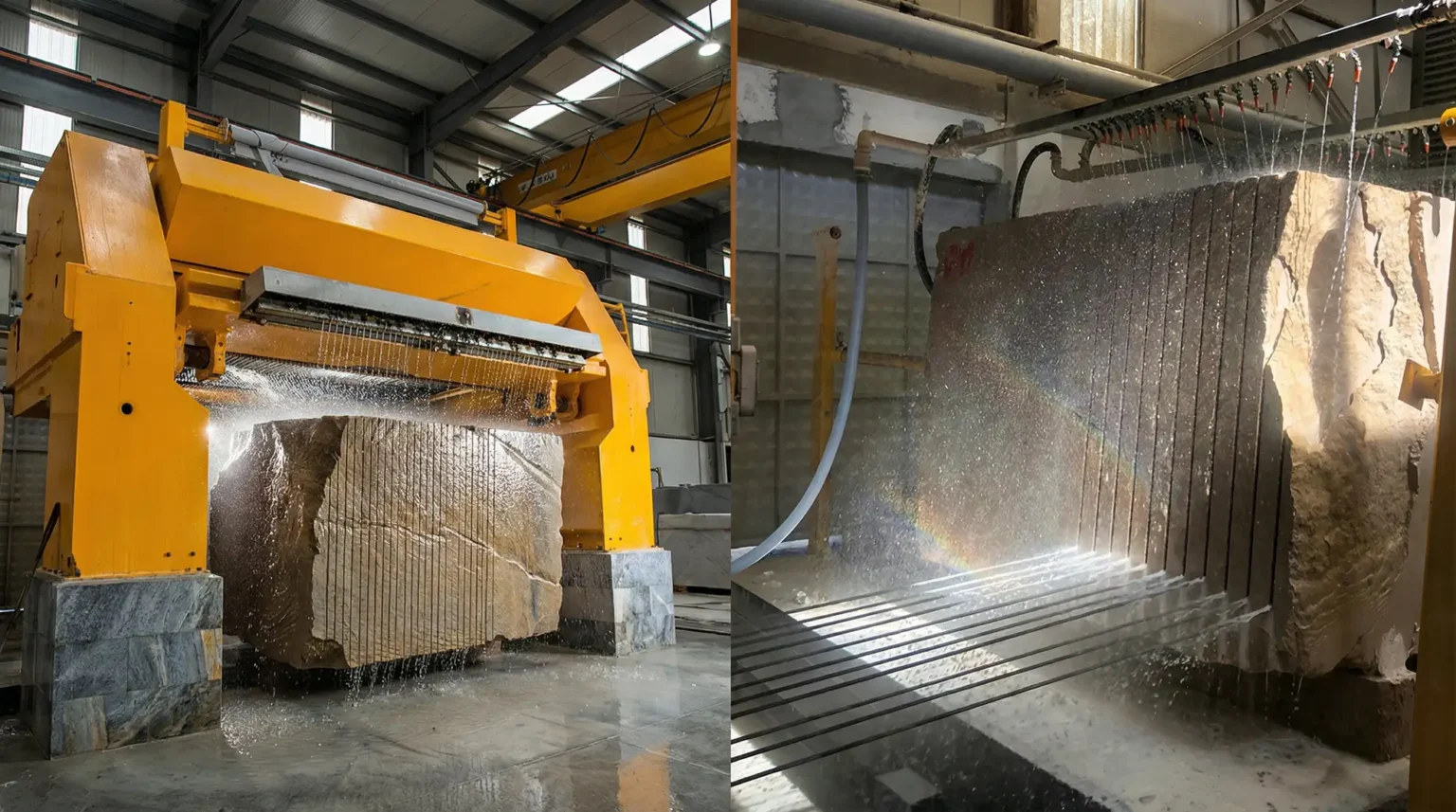
Stone cutting can generate heat and dust. Wet cutting systems use water to cool the blade and help control dust during operation. A good water management system can contribute to stable cutting performance and longer blade life. Look for features such as:-
- Water circulation
- Blade cooling
- Water filtration
- Water recirculation
- Wastewater management
- Easy cleaning
An efficient cooling system can make daily machine operation smoother while helping maintain consistent cutting performance.
9. Examine Machine Construction and Build Quality
A machine’s construction has a direct relationship with stability, durability, and cutting consistency. Pay attention to the quality of the:-
- Machine frame
- Cutting head
- Guide rails
- Bearings
- Motors
- Worktable
- Electrical components
- Control system
A rigid structure can help reduce vibration during cutting and maintain accuracy. Instead of judging a machine only by its appearance, consider the quality of its components, engineering, manufacturing standards, and long-term serviceability.
10. Consider Maintenance and Ease of Operation
Even a high-quality machine requires regular maintenance. If maintenance is complicated, downtime can increase and operators may struggle to keep the equipment performing consistently. The machine should allow operators to easily perform routine tasks such as cleaning, blade replacement, parameter adjustment, lubrication, and basic inspection. Also consider the availability of replacement parts and technical support. A machine that is easy to maintain can save valuable production time and help extend the working life of the equipment.
11. Don’t Compromise on Safety
Safety should always be considered when purchasing stone processing equipment. Stone cutting machines may involve rotating blades, heavy materials, water, electricity, and moving mechanical components.
Useful safety features can include:-
- Emergency stop buttons
- Protective blade guards
- Electrical safety systems
- Automatic shut-off functions
- Operator protection
- Clear control systems
- Safety instructions
Proper operator training is equally important. A safe machine combined with trained operators creates a better working environment and helps reduce avoidable workplace risks.
12. Calculate the Total Cost of Ownership
The purchase price is only one part of the investment.
Your actual cost can include:- Purchase Price + Installation + Energy + Blades + Maintenance + Labor + Downtime
A machine with a higher initial price may provide better long-term value if it offers greater productivity, lower waste, reliable components, and reduced maintenance requirements. Looking at the total cost of ownership gives factory owners a clearer picture of the machine’s real value. It also makes it easier to compare equipment from different manufacturers on a realistic basis.
13. Check After-Sales Support and Spare Parts
Reliable technical support can make a major difference when production depends on a machine every day. Consider the supplier’s installation, operator training, warranty, maintenance, troubleshooting, and spare-parts support. For factories in India, local or regional service availability can be particularly valuable. Faster access to technicians and replacement components can help reduce unnecessary downtime. A dependable supplier should support the machine beyond the initial purchase and provide practical assistance throughout its working life.
14. Plan for Future Factory Growth
Your production requirements may increase as your business grows. A machine that is suitable today should ideally provide enough flexibility for tomorrow’s requirements. Consider equipment with:-
- Higher production capacity
- Programmable controls
- Flexible cutting capabilities
- Automation options
- Support for multiple stone types
- Larger workpiece capacity
Planning for future growth can help you avoid replacing equipment too soon and may provide better value from your original investment.
15. Look for Proven Manufacturer Expertise
Manufacturer experience is another useful factor when comparing stone processing equipment. A supplier with established experience in stone cutting machinery may have a better understanding of common production challenges, machine maintenance, blade compatibility, and application requirements.
Look for practical evidence of expertise, such as technical documentation, clear machine specifications, installation support, training resources, service capabilities, and experience with similar stone-processing applications. Independent customer feedback, machine demonstrations, and actual production results can also provide useful context before making a major equipment investment. The goal is to choose not only a machine, but also a supplier capable of supporting your factory over the long term.
Common Mistakes to Avoid
When choosing a stone cutting machine, avoid focusing on just one specification.
Choosing Only by Price :- A cheaper machine may have higher operating, maintenance, or downtime costs.
Ignoring Material Compatibility:- Always ensure the equipment is suitable for the stone types and thicknesses your factory processes.
Underestimating Production Volume:- Insufficient capacity can quickly turn a machine into a production bottleneck.
Overlooking After-Sales Service:- Poor technical support can make even a good machine difficult to maintain.
Ignoring Future Requirements:- Choosing equipment with no room for production growth can lead to another major investment sooner than expected.
Final Thoughts
Choosing the right stone cutting machine for your factory is about finding the right balance between performance, accuracy, production capacity, reliability, safety, and operating cost. Start with your actual stone materials and production requirements. Then compare cutting capacity, automation, motor performance, blade compatibility, cooling, machine construction, maintenance, safety, and after-sales support. For factories in India, local service availability and spare-parts access should also be part of the decision. A machine that performs well and can be supported quickly can provide much greater long-term value.
The right stone cutting equipment can help improve productivity, reduce material waste, maintain consistent quality, and support your factory’s growth. By evaluating the complete picture instead of focusing only on the purchase price, you can make a more confident and practical investment decision. Ready to improve your stone processing operation? Choose equipment based on your real production needs, material requirements, and long-term goals. A properly matched stone cutting machine can become a valuable part of an efficient, reliable, and future-ready manufacturing process.
The best stone cutting machine is one that matches your factory’s stone materials, production volume, cutting dimensions, accuracy requirements, automation needs, and budget. There is no single machine that is ideal for every factory.
Consider your daily production target, number of cutting cycles, operating hours, number of operators, peak production requirements, and expected future demand. High-volume factories may benefit from automated or CNC-controlled equipment, while smaller operations may prefer simpler machines.
Stone cutting machines can be used for materials such as granite, marble, quartz, limestone, sandstone, porcelain, ceramic slabs, and engineered stone. The machine should always be selected according to the specific materials and thicknesses your factory processes.
CNC stone cutting machines can be a good choice for high-volume or precision-focused production because they offer greater control, repeatability, programmable cutting, and automatic positioning. However, the required automation level should match the factory’s actual production needs.
Cutting accuracy helps maintain consistent dimensions and can reduce rework, additional finishing, and material waste. This is especially important for applications such as countertops, flooring, wall cladding, stairs, and custom stone products.
The diamond blade plays an important role in cutting performance. Blade compatibility, diameter, thickness, expected life, availability, and replacement cost should all be considered when selecting equipment.
Routine maintenance can include cleaning, blade replacement, parameter checks, lubrication, basic inspection, and maintaining the machine’s water and cutting systems. Easy maintenance and accessible replacement parts can help reduce downtime and extend machine life.

Related Posts

This Post Has 0 Comments